
How to Keep a Clean Home Without Feeling Overwhelmed (20 Ways)
Keeping your home clean can feel exhausting when life already feels busy and chaotic. Between work, family responsibilities, errands, and everyday stress, trying to maintain a spotless home often becomes another overwhelming task on an endless to-do list.
The good news is that learning how to keep a clean home without feeling overwhelmed is not about perfection. It is about creating simple habits, realistic routines, and manageable systems that work for your lifestyle.
A clean home does not require spending hours cleaning every single day. Small consistent actions can make a huge difference over time. These practical strategies will help you maintain a tidy, peaceful space without burnout, guilt, or unrealistic expectations.
1. Start With Small Daily Cleaning Habits
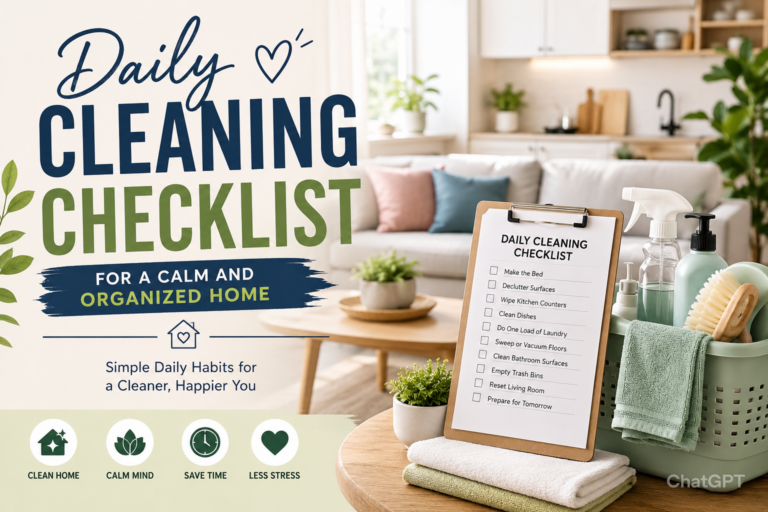
One of the best ways to learn how to keep a clean home without feeling overwhelmed is by focusing on small daily habits instead of marathon cleaning sessions.
Simple tasks like making your bed, wiping the kitchen counter, or putting dishes away immediately can prevent messes from building up. These tiny actions take only a few minutes but create noticeable results.
The key is consistency. When you repeat small habits daily, cleaning feels less stressful and more automatic. Instead of waiting for your home to become messy, you stay ahead of the clutter little by little.
Remember that progress matters more than perfection.
2. Stop Trying to Clean Everything at Once
Many people feel overwhelmed because they attempt to clean the entire house in one day. This approach quickly becomes exhausting and discouraging.
Instead, focus on one room or one category at a time. You might clean the bathroom today and organize the living room tomorrow.
Breaking tasks into smaller chunks makes cleaning feel more achievable. It also helps reduce mental overload because you only focus on one manageable task at a time.
A clean home is built gradually through consistent effort, not through exhausting all-day cleaning sessions.
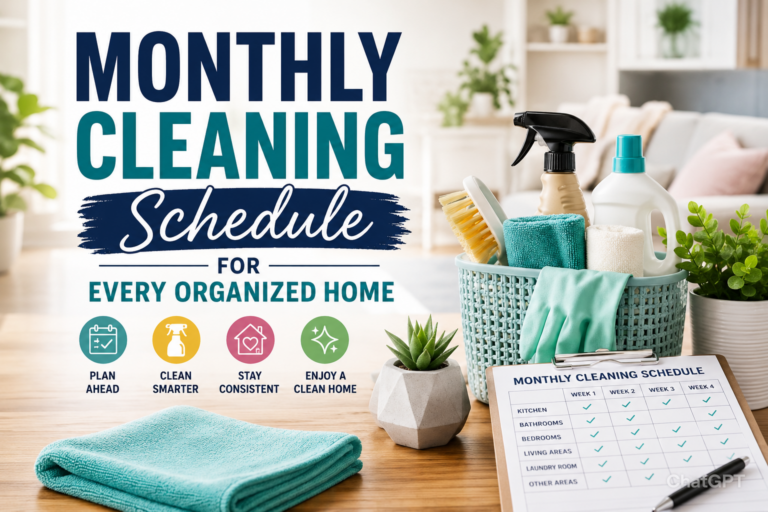
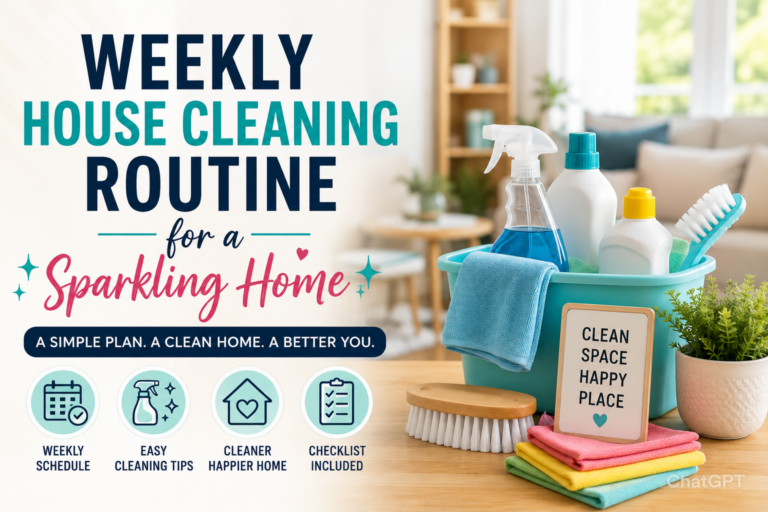
3. Create a Realistic Cleaning Schedule
A realistic cleaning schedule can completely change how you manage your home.
Instead of randomly cleaning whenever things feel out of control, assign certain tasks to specific days. For example:
- Monday: Laundry
- Tuesday: Bathrooms
- Wednesday: Vacuuming
- Thursday: Kitchen deep clean
- Friday: Decluttering
This simple system helps you stay organized and prevents chores from piling up. The goal is not to create a rigid schedule but to build structure that feels manageable.
When you know exactly what needs to be done each day, cleaning becomes less overwhelming.
4. Follow the One-Minute Rule
The one-minute rule is one of the easiest cleaning habits to adopt.
If a task takes less than one minute, do it immediately. This includes:
- Hanging up your coat
- Wiping the bathroom sink
- Putting shoes away
- Throwing junk mail in the trash
- Returning items to their proper place
Small messes become overwhelming when they accumulate over time. Taking care of tiny tasks immediately helps maintain order with very little effort.
This simple mindset shift can dramatically reduce clutter throughout your home.
5. Declutter Your Home Regularly
Too much clutter makes cleaning harder, slower, and more stressful.
If your home is filled with unused items, maintaining cleanliness becomes overwhelming because there is simply more to manage. Decluttering creates more physical space and mental clarity.
Start small by choosing one drawer, shelf, or closet at a time. Donate items you no longer use or need.
Ask yourself:
- Do I actually use this?
- Does this add value to my life?
- Would I buy this again today?
The fewer unnecessary items you own, the easier your home becomes to clean and maintain.
6. Clean As You Go Throughout the Day
Cleaning as you go prevents messes from turning into major cleaning projects.
After cooking, wash dishes while food simmers. After showering, wipe down surfaces quickly. Put items back immediately after using them.
These small actions reduce buildup and make your home feel consistently cleaner without requiring extra effort later.
This habit is especially helpful for busy households because it spreads cleaning tasks naturally throughout the day instead of saving everything for later.
Over time, this becomes one of the most effective ways to keep your home under control.
7. Focus on High-Traffic Areas First
Not every part of your home needs constant attention.
When you feel overwhelmed, prioritize areas that affect your daily life the most. Focus on:
- Kitchen counters
- Living room
- Bathroom sink
- Entryway
- Dining table
Keeping these visible spaces tidy instantly makes your home feel cleaner overall.
This approach helps you use your energy wisely instead of stressing about every single corner of the house. Sometimes maintaining the most-used spaces is enough to create a calm and organized environment.
8. Set a Cleaning Timer
Cleaning feels less intimidating when you know it will only last for a short time.
Set a timer for 10, 15, or 20 minutes and clean as much as possible during that period. You will often accomplish more than expected because the time limit creates focus and motivation.
Short cleaning sessions feel manageable even on busy days. They also help prevent procrastination because starting feels easier when the commitment is small.
Many people discover that once they begin cleaning, they naturally continue beyond the timer.
9. Avoid Perfectionism
Perfectionism is one of the biggest reasons people struggle with cleaning overwhelm.
A home does not need to look perfect all the time to be clean, functional, and welcoming. Social media often creates unrealistic expectations about spotless homes that are impossible to maintain constantly.
Instead of aiming for perfection, aim for “good enough.”
Sometimes clean laundry sitting in a basket is perfectly okay. Sometimes toys on the floor simply mean your family is living comfortably.
Learning how to keep a clean home without feeling overwhelmed starts with giving yourself permission to be realistic.
10. Build Easy Nightly Reset Routines
A quick nightly reset can make mornings feel calmer and more organized.
Spend 10–15 minutes each evening:
- Putting items away
- Clearing counters
- Folding blankets
- Loading the dishwasher
- Preparing for the next day
Waking up to a reasonably tidy home reduces stress significantly.
Nightly resets prevent messes from snowballing overnight and help maintain a sense of control even during busy seasons of life.
Consistency matters more than doing everything perfectly.
11. Keep Cleaning Supplies Accessible
If cleaning products are difficult to reach, you are less likely to clean consistently.
Store basic cleaning supplies in convenient locations throughout your home. Keep bathroom wipes under the sink, microfiber cloths in the kitchen, and a small handheld vacuum nearby if possible.
Easy access removes barriers and encourages quick cleanups.
You do not need expensive products either. Simple, effective tools are enough to maintain a clean and comfortable home.
Convenience plays a major role in creating lasting cleaning habits.
12. Use Baskets and Storage Systems
Simple storage solutions can instantly reduce visual clutter.
Use baskets, bins, and trays to organize:
- Toys
- Remote controls
- Blankets
- Bathroom products
- Shoes
When everything has a designated place, tidying becomes faster and easier.
Storage systems do not need to be complicated or expensive. Functional organization helps your home feel calmer while making daily cleaning routines more manageable.
The goal is to simplify your life, not create more complicated organizing projects.
13. Make Laundry More Manageable
Laundry often feels endless because it is rarely fully “finished.”
Instead of trying to do all laundry in one exhausting day, create a smaller routine. Washing one load daily or every other day can feel much easier than dealing with huge piles later.
Sort clothes immediately and fold items soon after drying to prevent clutter buildup.
You can also simplify laundry by reducing excess clothing and linens. Fewer items mean fewer things to wash, fold, and organize.
Small adjustments can make a huge difference in reducing overwhelm.
14. Involve the Entire Family
Keeping a clean home should not fall on one person alone.
Assign age-appropriate responsibilities to family members so everyone contributes. Even young children can help with simple tasks like putting toys away or placing clothes in laundry baskets.
Sharing responsibilities creates teamwork and reduces stress.
You do not need perfection from everyone. Consistent participation matters more than flawless results.
When cleaning becomes part of the household culture, maintaining your home feels much more sustainable and less emotionally draining.
15. Reduce What Comes Into Your Home
One overlooked strategy for maintaining a clean home is controlling incoming clutter.
Before buying something new, ask yourself:
- Do I truly need this?
- Where will I store it?
- Will this add stress later?
Reducing unnecessary purchases helps prevent clutter accumulation over time.
Be mindful of:
- Impulse purchases
- Excess decor
- Duplicate items
- Unnecessary paper clutter
A simpler home is easier to clean, organize, and maintain. Minimal intentional living can significantly reduce cleaning overwhelm.
16. Create Simple Morning Routines
Morning routines can help your home stay cleaner throughout the day.
Simple habits like:
- Making the bed
- Emptying the dishwasher
- Opening curtains
- Putting breakfast dishes away
create immediate order and momentum.
A productive morning reset makes your home feel more organized before the day becomes busy.
These routines also reduce evening stress because small tasks are already completed earlier in the day.
Consistency with morning habits can completely transform how manageable your home feels overall.
17. Learn to Let Some Things Wait
Not every chore needs immediate attention.
Part of learning how to keep a clean home without feeling overwhelmed is understanding priorities. Some tasks are urgent while others can wait until tomorrow.
If you are exhausted, overwhelmed, or mentally drained, it is okay to focus only on essentials.
Protecting your energy matters too.
A healthy home environment includes emotional well-being, not just physical cleanliness. Balance is important, and flexibility helps prevent burnout.
18. Use Music or Podcasts for Motivation
Cleaning feels less stressful when paired with something enjoyable.
Listening to music, podcasts, or audiobooks can make routine chores feel more entertaining and productive. Many people find that enjoyable background audio helps time pass faster while increasing motivation.
You can even create a dedicated cleaning playlist to boost energy and focus.
Turning cleaning into a more positive experience helps reduce resistance and makes routines easier to maintain long term.
Small mindset shifts can greatly improve consistency.
19. Celebrate Small Wins
Many people overlook the progress they make because they focus only on what remains unfinished.
Celebrate small accomplishments like:
- Clearing a countertop
- Finishing laundry
- Organizing one drawer
- Completing your nightly reset
Recognizing progress creates motivation and builds positive momentum.
A clean home is created through hundreds of small actions over time. Appreciating those efforts helps cleaning feel more rewarding instead of overwhelming.
Progress deserves acknowledgment, even when everything is not completely perfect.
20. Remember That Your Home Is Meant to Be Lived In
Your home is not a showroom. It is a space where life happens.
There will be dishes sometimes. Laundry piles may appear. Toys might end up on the floor. That does not mean you are failing.
A clean home should support your well-being, not create constant stress and pressure.
The goal is to create a comfortable, functional environment that helps you feel peaceful and supported. Realistic expectations make maintaining cleanliness much more achievable long term.
Learning how to keep a clean home without feeling overwhelmed starts with embracing balance instead of perfection.
Final Take
Learning how to keep a clean home without feeling overwhelmed is really about creating simple systems that work for your real life. You do not need to clean constantly or maintain perfection to enjoy a peaceful and organized space. Small daily habits, realistic routines, and manageable expectations can completely transform your home over time.
Focus on progress instead of perfection, and remember that consistency matters far more than occasional deep-cleaning marathons. By simplifying your routines and reducing unnecessary pressure, you can create a cleaner home that feels calm, welcoming, and sustainable for everyday living.
A clean home should make life easier, not more stressful.
Frequently Asked Questions
How do I keep my house clean when I feel overwhelmed?
Start with very small tasks and focus on one area at a time. Use short cleaning sessions, realistic routines, and daily habits instead of trying to clean the entire house at once.
What is the easiest cleaning routine to follow?
Simple daily habits like making your bed, doing dishes immediately, and completing quick nightly resets are some of the easiest and most effective routines.
How often should I deep clean my home?
Most homes benefit from monthly or seasonal deep cleaning. Daily maintenance and weekly cleaning usually handle most regular messes effectively.
Why do I struggle to keep my house clean?
Overwhelm often comes from unrealistic expectations, clutter buildup, lack of routines, or trying to do too much at once. Simplifying your approach can help significantly.
How can I motivate myself to clean?
Use timers, music, podcasts, and small achievable goals. Focus on progress rather than perfection and celebrate small wins consistently.